
Product Introduction
The AlphaBot Series by AI² Robotics represents the robotic embodiment of the Alpha Brain model—ushering in the next generation of intelligent terminals following smartphones and smart vehicles.
AlphaBot 2
Section titled “AlphaBot 2”AlphaBot 2 is the general-purpose intelligent robot powered by the world’s first Global & Omni-body VLA (GOVLA) model. By enabling end-to-end coordination of vision, language, and action, it demonstrates strong generalization capabilities and adaptability in complex industrial and public service scenarios.
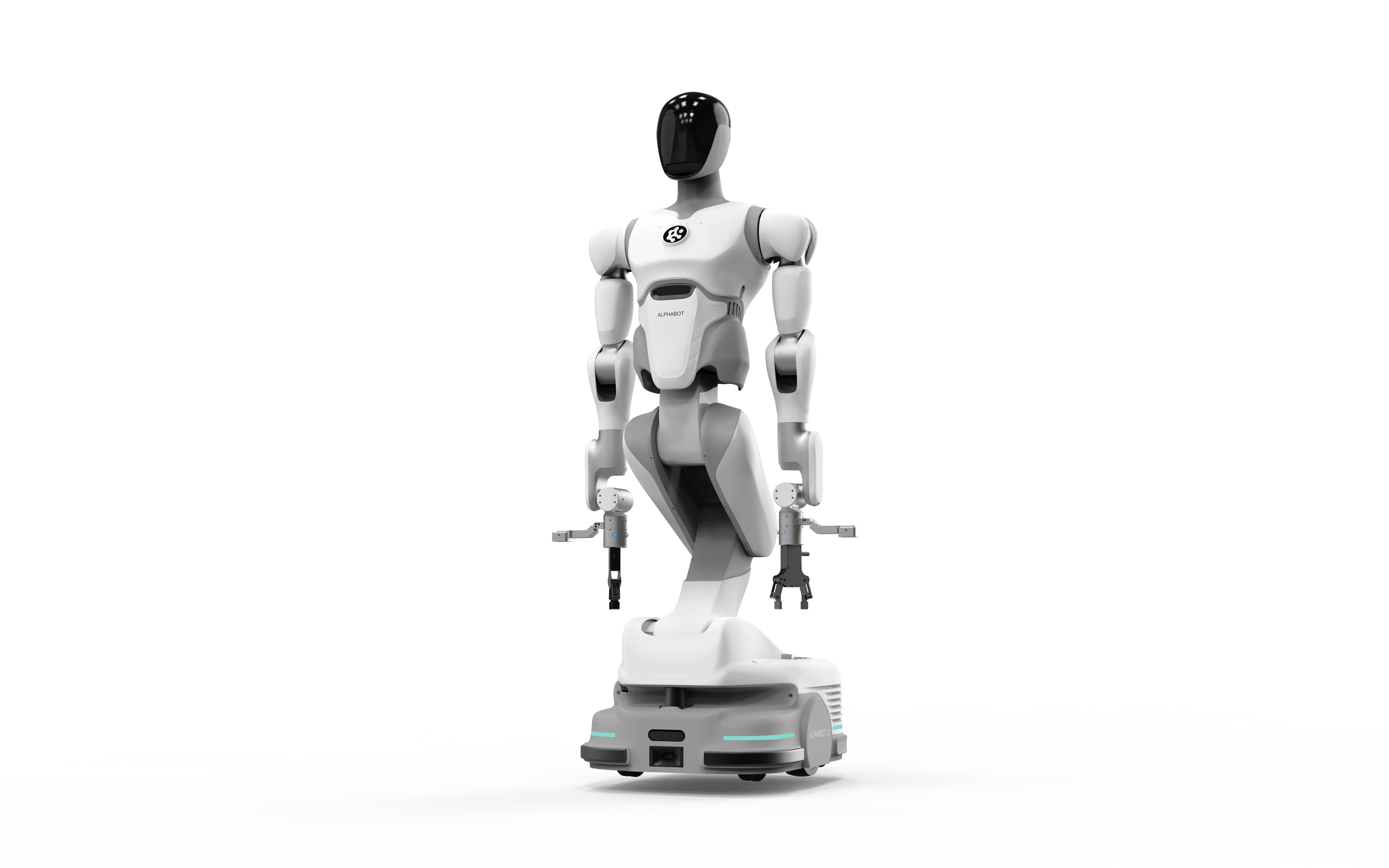
AlphaBot 2 supports a wide range of applications, including but not limited to:
| Scenario | Description |
|---|---|
| Automotive & Electronics Manufacturing | Supports flexible workflows across industrial scenarios such as automotive and electronics manufacturing, covering tasks from loading and transport to assembly and equipment operation. Adapts to diverse production line requirements.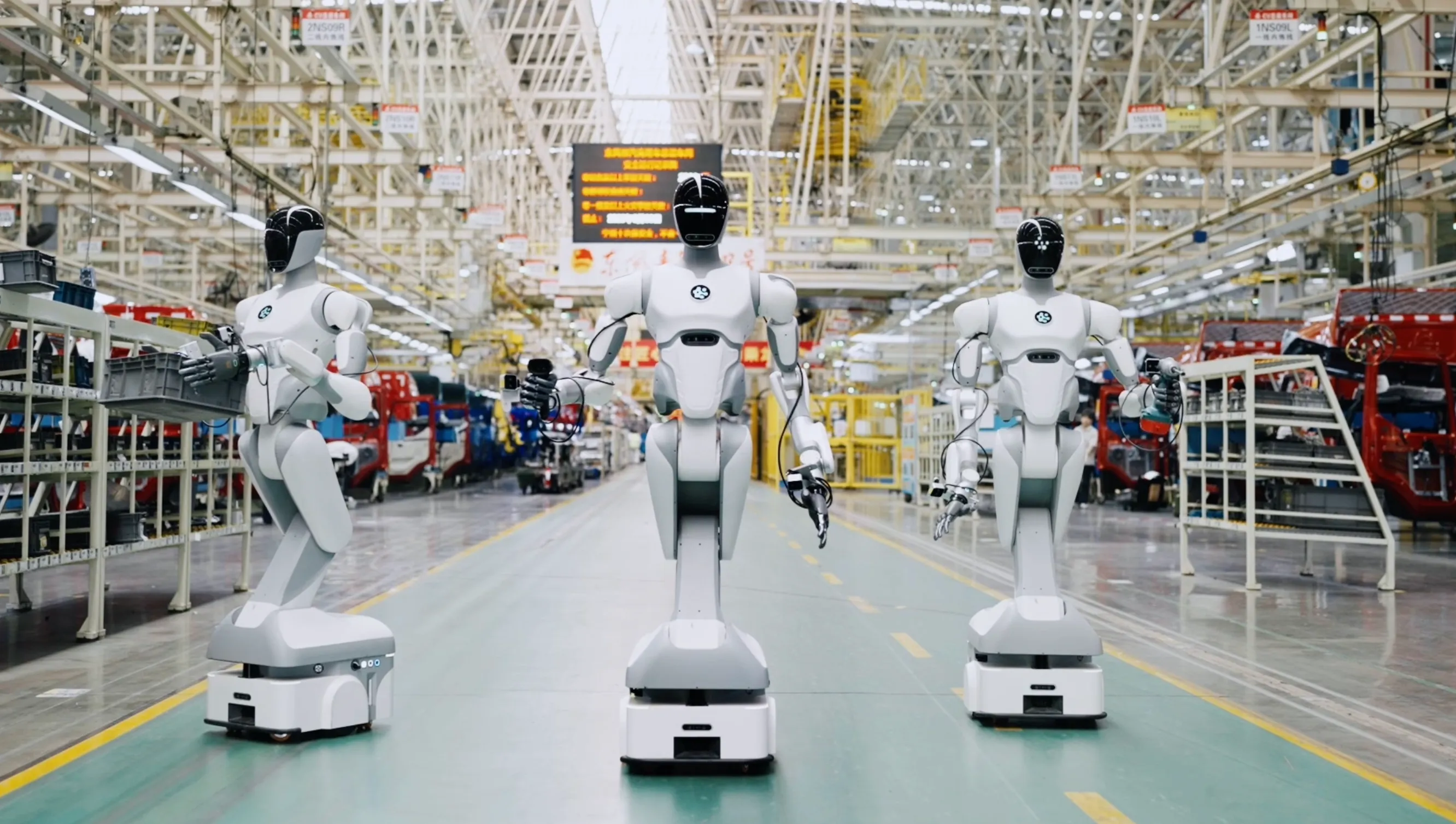 |
| Semiconductor Manufacturing | Designed for flexible operations in semiconductor manufacturing and panel production, meeting stringent cleanliness requirements while adapting to tasks such as line integration, material handling, loading, and replacement tasks, flexibly meeting the demands of high-precision and high-cleanliness production requirements.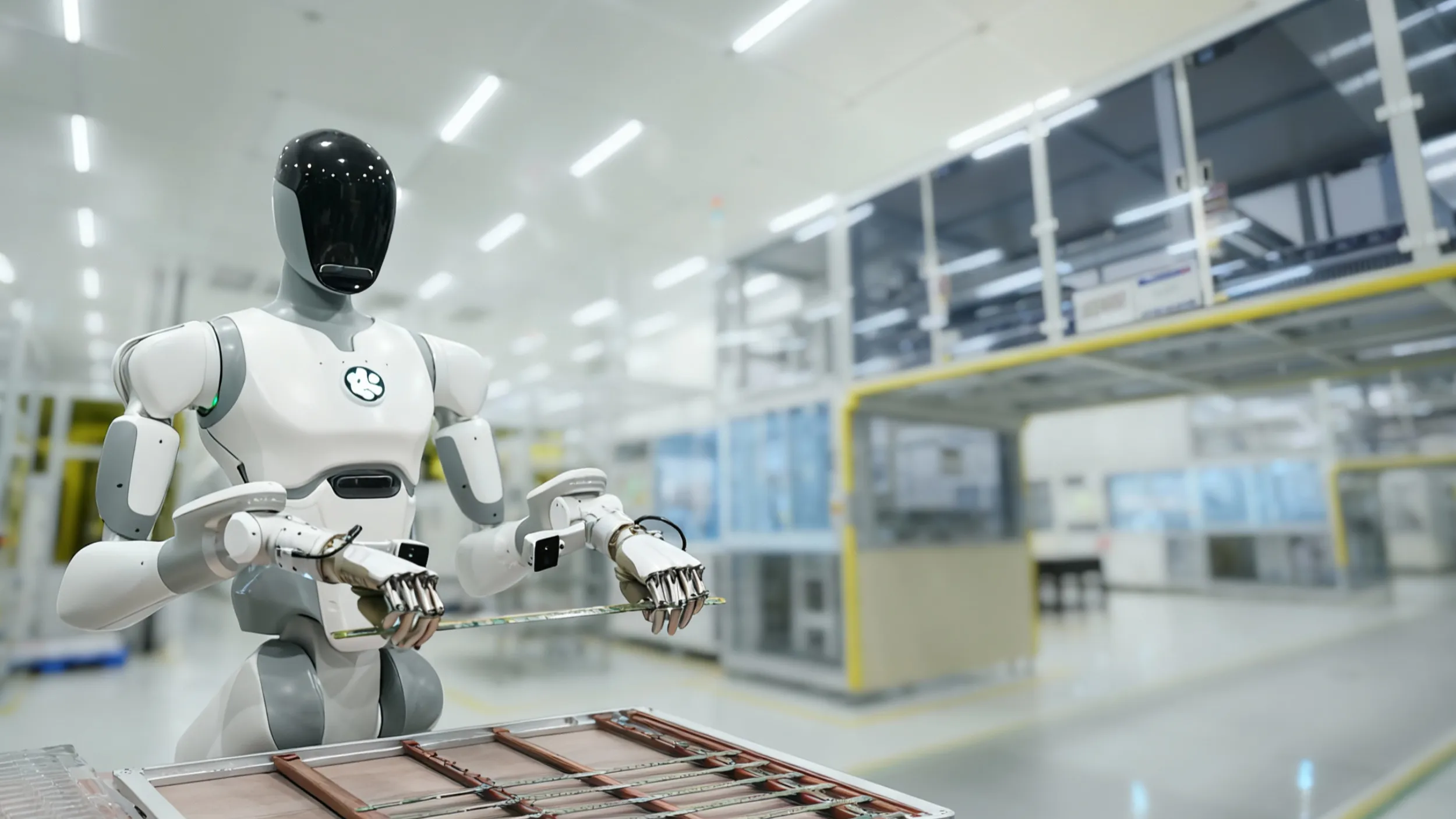 |
| Biotechnology | Supports biotechnology and biopharma applications with sterile operations and effectively prevents cross-contamination. Capable of handling material transfer, unpacking and disinfection, feeding, and other tasks, it ensures safety and efficiency throughout R&D and production processes.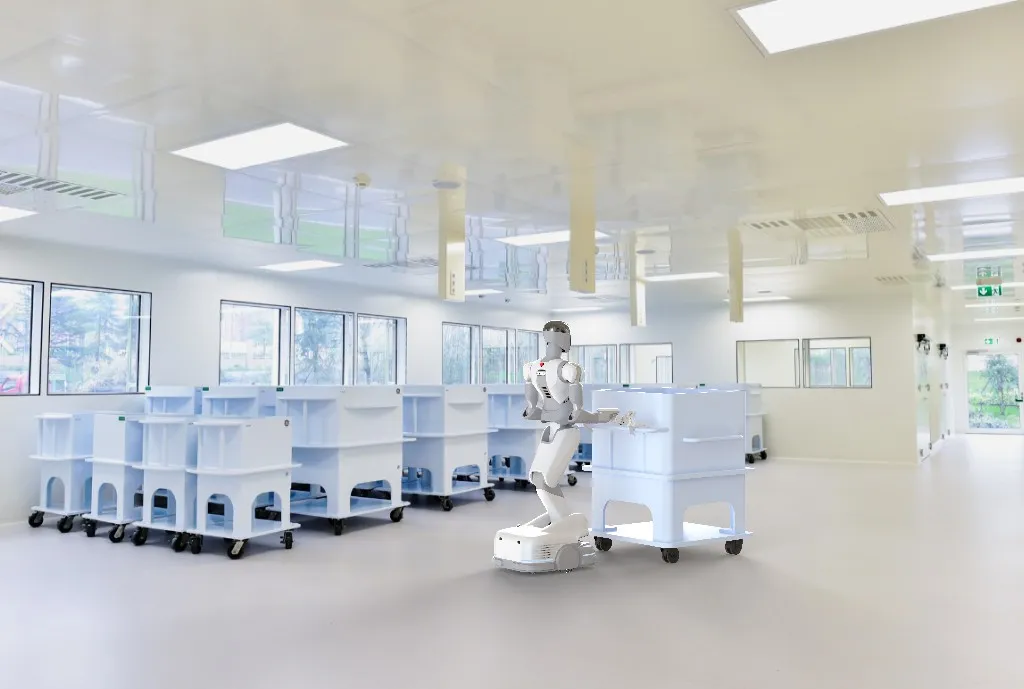 |
| Public Services | Supports intelligent operations across public venues—including airports and transit hubs—performing tasks such as storage and organization, inventory management and distribution, as well as retrieval, placement, and transportation, delivering greater efficiency and enhanced experiences for public services.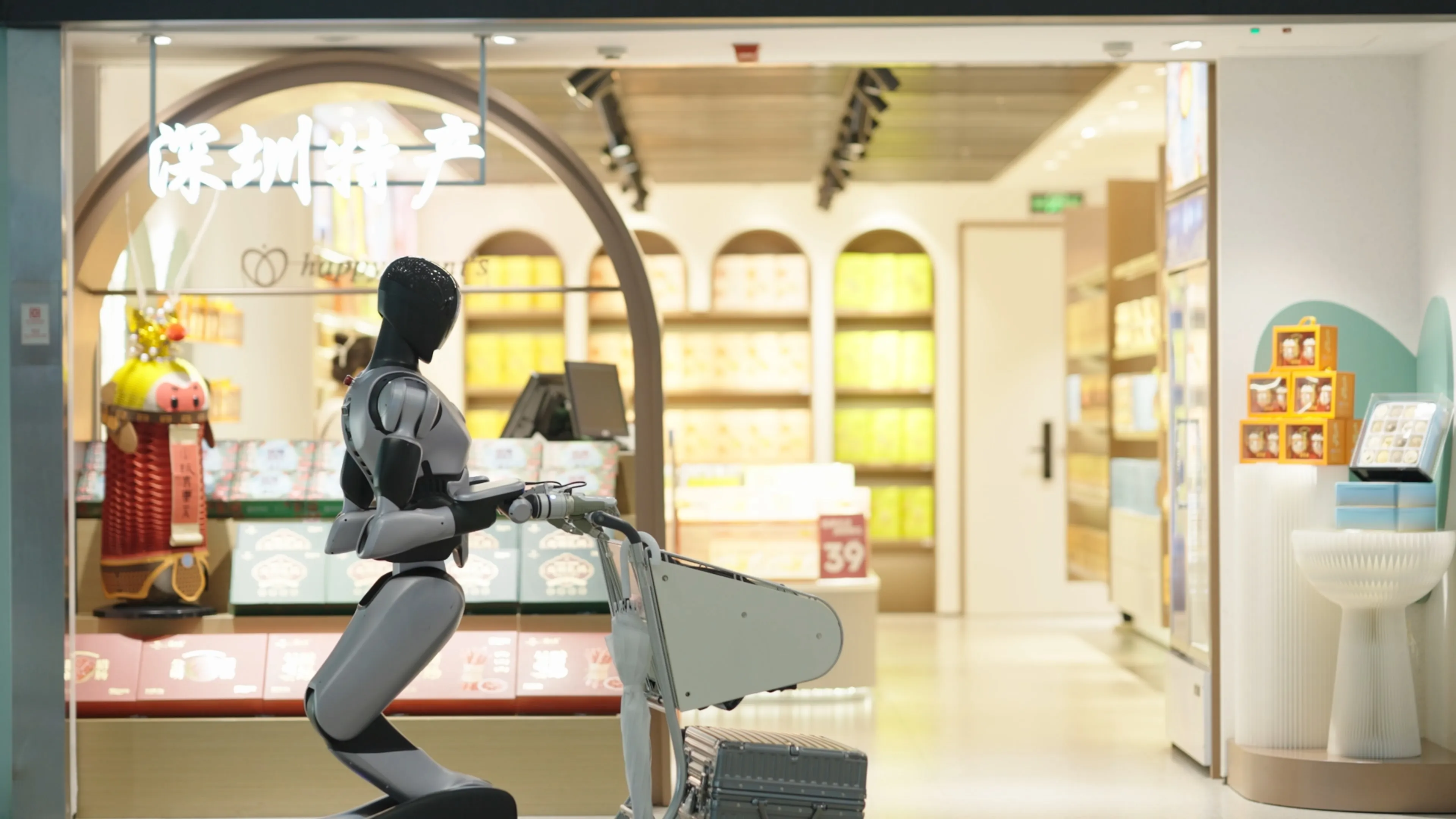 |
Teleoperation Devices
Section titled “Teleoperation Devices”To meet diverse application requirements such as data acquisition, remote control, and human-robot interaction research, AI² Robotics also provides the following two teleoperation devices.
- VR Teleoperation: Enables immersive teleoperation and data collection for humanoid robots through VR headsets, controllers, pedals, and other peripherals. It overcomes physical space constraints and adapts to multi-scenario application demands.
- Exoskeleton Teleoperation: It delivers intuitive control and high-precision data acquisition for humanoid robots via an exoskeleton robotic arm with the same structure as the robot’s own arm. It offers a comfortable operating experience and satisfies both research and industrial-grade application requirements.
| Feature | VR Teleoperation | Exoskeleton Teleoperation |
|---|---|---|
| Drive Method | End-effector inverse kinematics drive | Joint-space drive |
| Advantages |
|
|
| Disadvantages |
|
|
| Application Scenarios |
|
|